

Otoplasty is a procedure designed to refine the shape or position of the ears in a way that enhances facial balance. At The Andochick Center for Cosmetic Surgery in Frederick, MD, patients work directly with Dr. Scott Andochick, a board-certified Plastic Surgeon with more than 30 years of experience. His focus is on creating natural results that blend smoothly with each patient’s overall appearance.
What Otoplasty May Improve
Some individuals feel their ears are more prominent than they would like or prefer a shape that better suits their facial proportions. Otoplasty may help reposition the ears, create a more refined contour, or improve symmetry. The goal is not to dramatically change appearance but to create balance and harmony so the ears do not draw unwanted attention.
Who May Be a Good Candidate
Otoplasty may be an option for those who want to adjust the shape or position of their ears. Ideal candidates are those who feel their ears sit farther from the head than desired, appear uneven, or have natural contours they wish to refine. During a consultation, Dr. Andochick evaluates ear structure, cartilage strength, and overall facial proportions. His recommendations are always individualized and focused on achieving subtle, natural enhancement.
How the Procedure Works
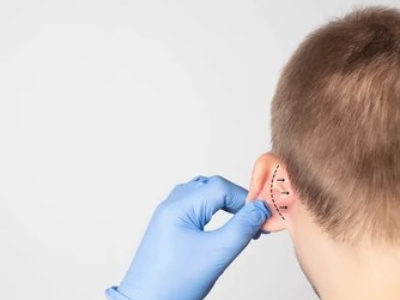
Otoplasty involves reshaping the ear cartilage to create a more balanced position and contour. Incisions are usually placed behind the ear so they remain discreet. Dr. Andochick carefully sculpts and repositions the cartilage to achieve the desired result while maintaining a natural shape.
The procedure is performed in the practice’s QUAD A–accredited private operating room. This on-site facility allows for a controlled, private, and safe environment where Dr. Andochick and his board-certified anesthesia team manage the entire surgical experience with consistency and attention to detail.
Recovery and Results
As the ears heal, patients typically see a smoother, more balanced appearance that feels natural to their face. Swelling gradually subsides, and the new contours become more defined over time. Dr. Andochick provides each patient with simple, clear aftercare guidance and follows progress closely during scheduled visits to support a comfortable healing process. Once recovery is complete, most individuals feel their ears blend more seamlessly with their overall look.
Complementary Options
Some patients choose otoplasty as a standalone treatment, while others combine it with facial procedures aimed at enhancing overall balance. During the consultation, Dr. Andochick discusses these possibilities and helps determine whether a combination approach may be suitable.
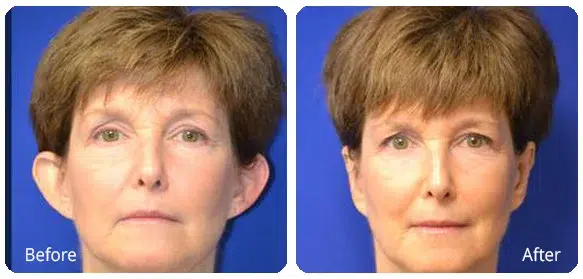
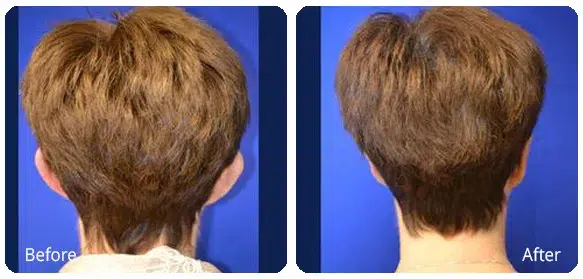
Before & After
Our Otoplasty Results
Why Choose The Andochick Center for Cosmetic Surgery
Dr. Andochick’s decades of surgical experience, calm communication style, and detailed approach help patients feel supported from consultation through recovery. With a private accredited operating room, an experienced anesthesia team, and a practice built on long-standing ties to the Frederick community, The Andochick Center for Cosmetic Surgery offers an environment centered on safety, clarity, and personalized care.
Otoplasty FAQs
At what age can otoplasty be performed?
 Otoplasty can be performed once the ears have reached near-full development, typically around age five or six. Many adults also choose ear surgery later in life. Dr. Andochick evaluates each patient individually to determine the appropriate timing based on anatomy and overall health.
Is otoplasty only for prominent ears?
No. While otoplasty is commonly performed to address ears that project outward, it can also refine ear shape, correct asymmetry, improve contour irregularities, or address concerns related to a prior injury. The procedure is tailored to the specific structural characteristics of each ear.
Will otoplasty affect my hearing?
Otoplasty focuses on the external ear (the auricle) and does not involve the inner ear or hearing structures. The goal is to improve appearance and position, not to alter hearing function.
How long does otoplasty surgery take?
Otoplasty typically takes one to two hours, depending on the complexity of the reshaping required. The procedure is performed in the practice’s accredited private operating room under appropriate anesthesia for safety and comfort.
Is otoplasty performed under local or general anesthesia?
Anesthesia type depends on age, health history, and patient preference. Children often receive general anesthesia, while some adults may be candidates for local anesthesia with sedation. During the consultation, Dr. Andochick discusses the safest and most appropriate option.
What should I expect immediately after otoplasty?
After surgery, the ears are usually covered with protective dressings to support healing and maintain their new position. Mild swelling and tightness are common during early recovery. Dr. Andochick provides clear instructions regarding head positioning, dressing care, and activity limitations.
Will I need to wear a headband after surgery?
Our team may advise you to wear a soft headband, especially at night, for a period of time after surgery. This helps protect your ears during sleep and supports proper healing. During a follow-up appointment, you will be told if you can stop based on the progress of your healing.
How visible are otoplasty scars?
Incisions are typically placed behind the ear, where they are naturally concealed. Over time, scars generally fade and become less noticeable. The surgeon uses careful suturing techniques to support refined healing.
Are the results of otoplasty permanent?
Otoplasty results are generally long-lasting. Once the cartilage is reshaped and healed into its new position, the change is stable. Significant trauma to the ear is uncommon but could affect results.
When can I resume normal activities?
Light daily activities may resume relatively soon after surgery, while more strenuous exercise should be postponed until cleared by your surgeon. Protecting your ears from pressure or impact during the early healing phase is important.
Can otoplasty correct one ear only?
Yes. Some patients have asymmetry affecting only one ear. Otoplasty can be performed on one or both ears, depending on individual needs. Dr. Andochick evaluates facial balance to determine the most harmonious approach.
How do I prepare for otoplasty?
Preparation typically includes reviewing medical history, avoiding nicotine products, and following detailed pre-operative instructions. You should arrange transportation and support for the first day of recovery.
Contact Us
If you are considering otoplasty in Frederick, MD, Dr. Scott Andochick can help you explore your options and understand what to expect. To schedule a consultation, contact The Andochick Center for Cosmetic Surgery at (301) 620-4200.